I’ve been trying to up my reading game, and recently finished reading my eighth and ninth novels of the year, which averages out to one novel every ten days. Not that anyone is counting. This reading pace feels right to me, neither rushed nor leisurely, but instead allowing me to engage in careful, focused reading every day.
Blue Ruin, by Hari Kunzru, was recommended by a friend. It begins in the 1990s in London and ends in 2020 during the early days of the COVID-19 pandemic in upstate New York. The novel is narrated by Jay, who is surviving by delivering groceries and, through an extreme coincidence, shows up with an order at an estate occupied by his former lover, Alice, and her husband, Rob, who stole Alice from Jay when they were both in art school twenty years ago. Who doesn’t love a good love triangle?

Jay, homeless at this point in his life, is invited to stay at a barn on the estate where Rob and Alice are hiding from the pandemic, along with Rob’s gallerist and his girlfriend. Kunzru makes the art world sound like a pretentious, awful, backstabbing enterprise (the way some other writers portray the publishing world).
Jay flashes back to fill in the past, and credit to Kunzru for maintaining my interest while the narrative goes into extended summary mode. The two men were artists: Rob, a painter, and Jay, more of a conceptual performance artist.
After Rob ran off with Alice, Jay disappeared for years, which may have been a part of his performance art. Now that they’re all together again, past wounds and affections reopen. No big surprise there. Other themes addressed with intelligence are race and class, integrity and compromise, and what constitutes an artist.
Worth a read if you’re interested in the art world and aren’t sick of the love triangle trope.
The Correspondent, by Virginia Evans, is not the type of book I usually read. This debut novel has been a huge best seller, and like many popular novels, it was written by a woman about women for women. That’s not a dig, just a fact of publishing.
What attracted me to The Correspondent is a concept I like: the epistolatory novel, one that is told through documents such as letters, emails, articles, and other correspondence. Other examples include The Perks of Being a Wallflower, Dracula, and Bridget Jones Diary.
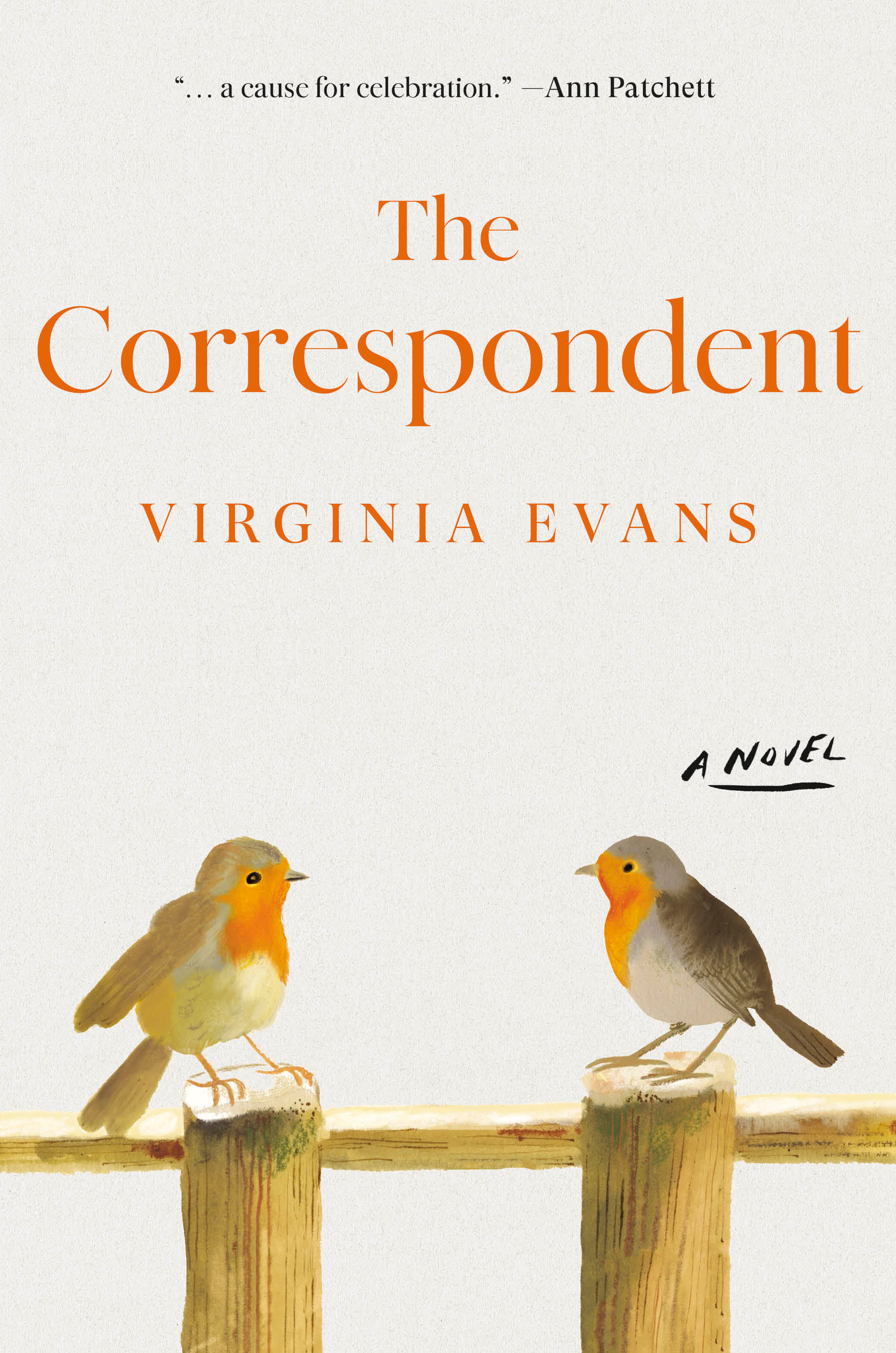
Sybil Van Antwerp is a retired lawyer in her seventies, riddled with guilt and self-recrimination. The entire novel unfolds through letters and emails that Sybil sends and receives. It’s a daring strategy, and it works, even without any conventional scenes or dialogue sequences. Her pen pals include her children, her brother, her sister-in-law, famous novelists, customer service reps, several suitors, and friends and neighbors. She even corresponds with someone who seems to be stalking her, although this part of the story is underdeveloped and doesn’t work well.
There’s no plot in a classic sense. Instead, what drives the narrative is Sybil’s relationships and her personality, which can be lively, but also bitter and grief-stricken due to one of her children dying at age seven, more than forty years ago.
The novel is both light and heavy. It’s an easy read and very accessible—thus contributing to its popularity. Near the end, there’s a twist on the truth, one of those reveals that puts the arc of Sybil’s life in a different perspective. It may or may not work for you.

