I’ve become enamored recently of reading the novella. A novella is the short story’s big brother and the novel’s little sister. There are no exact definitions of a novella, but the ones I’ve been reading are usually between 75-125 pages, in the range of 30,000 words. You can read them in one or two sittings.
Classic examples are The Old Man and the Sea, by Ernest Hemingway, which details the quest of a single fisherman desperate to reel in the big one; and Ethan Frome, by Edith Wharton, in which the titular character falls in love with his wife’s cousin (Love Triangle!).
The novella allows intense and detailed exploration of a character in conflict and crisis without having to navigate the structural complexity, cast of characters, or subplots of a full-length novel of 60,000 words or more.

Two novellas I’ve read recently are Chess Story, by the Austrian writer Stefan Zweig, and Foster, by the Irish writer Claire Keegan. I recommend both of them to any fiction reader.
Chess Story is a masterpiece of psychological tension. Set aboard an ocean liner, it pits Czentovic, a chilly, instinct-driven world chess champion, against Dr. B, an Austrian lawyer who secretly memorized a single chess book while imprisoned by the Nazis.
Zweig uses an interesting narrator-within-narrator structure—a first-person narrator (neither the chess master nor the lawyer) tells the story, but his friend narrates Czentovic’s rise to champion, and Dr B relates to him the story of how he almost went insane playing chess against himself while imprisoned.
You don’t need to play or even appreciate chess to become absorbed in this short work of fiction. But it helps to want to understand how obsession, isolation, and trauma can fracture the mind and leave a permanent imprint on your being.
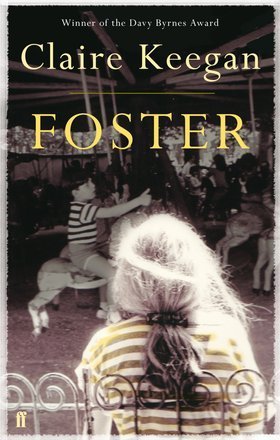
Claire Keegan’s Foster is a quieter, less dramatic novella than Chess Story, but it delivers intense emotional depth. I think this one will stay with me for a long time. The story is narrated by a young Irish girl sent to stay with relatives for the summer, and it captures the sharp contrast between her home life, where she is neglected and overlooked among a horde of siblings, and the warm, attentive care of her foster family, where she begins to blossom. But she doesn’t know how to respond when she discovers a secret about her foster family.
Keegan is a rare writer who knows what to leave out in order for what stays in to illuminate her characters and themes.

